
Today and every day I’m thankful for all the wonderful stories waiting to be written, for the opportunity to write about them, and most of all, for you who read them!
Author: TVB
I'm an author and a contributing editor to Click, ASK, and Muse, Cricket Media’s science magazines for kids. I've published more than 60 science and nonfiction articles for young readers and am the author of 70 published and upcoming books for the school and library market.
Cooking with F. Scott Fitzgerald
In the 1930s, F. Scott Fitzgerald wrote a list of post-Thanksgiving “recipes” for that pesky leftover turkey. Among them:
Turkey Cocktail: “To one large turkey add one gallon of vermouth and a demijohn of angostura bitters. Shake.”
Turkey Mouse: “Seed a large prone turkey, being careful to remove the bones, flesh, fins, gravy, etc. Blow up with a bicycle pump. Mount in becoming style and hang in the front hall.”
Turkey and Water: “Take one turkey and one pan of water. Heat the latter to the boiling point and then put it in the refrigerator. When it has jelled, drown the turkey in it. Eat. In preparing this recipe, it is best to have a few ham sandwiches on hand in case things go wrong.”
Historic Turducken
Think turducken is a new thing? Think again!
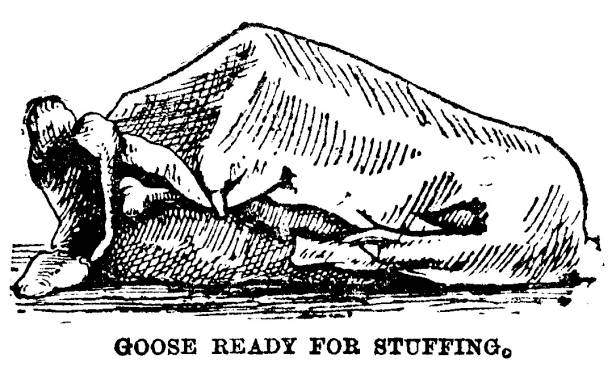
Pandora’s Cushion, a Victorian holiday dish, was a deboned quail inside a deboned pheasant inside a deboned chicken, all cooked inside a goose.
Spiders As Recyclers?
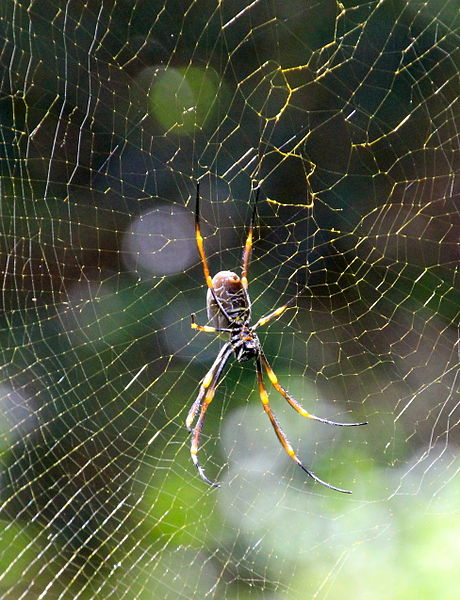
Orb-weavers often eat their old webs before spinning new ones! Spider silk is made from protein, so consuming the web returns that protein to the spider’s silk glands, ready to be used another day.
If food is plentiful, the spider doesn’t need to eat its web–which is why you see old, empty orb webs that have been abandoned. But if the spider isn’t eating regularly, it can survive by consuming its web and spinning a new one until it catches a meal.
Now That’s Preparing for Winter
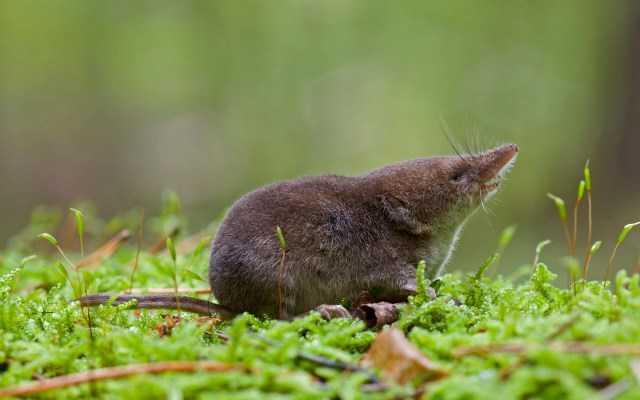
The red-toothed shrew shrinks its skull and brain up to 20% when winter comes and then regrows it to full size in the spring. Scientists aren’t quite sure why this cute little critter does this, but the best guess is that it helps the shrew conserve energy during the cold winter months.
 Tracy Vonder Brink